Conductive and Electronic Materials
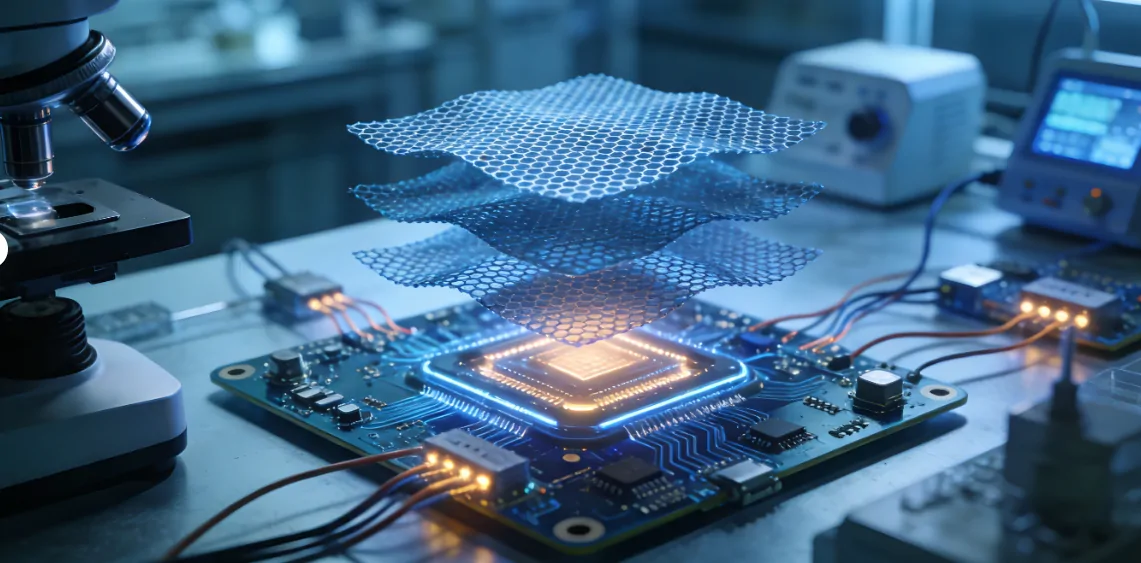
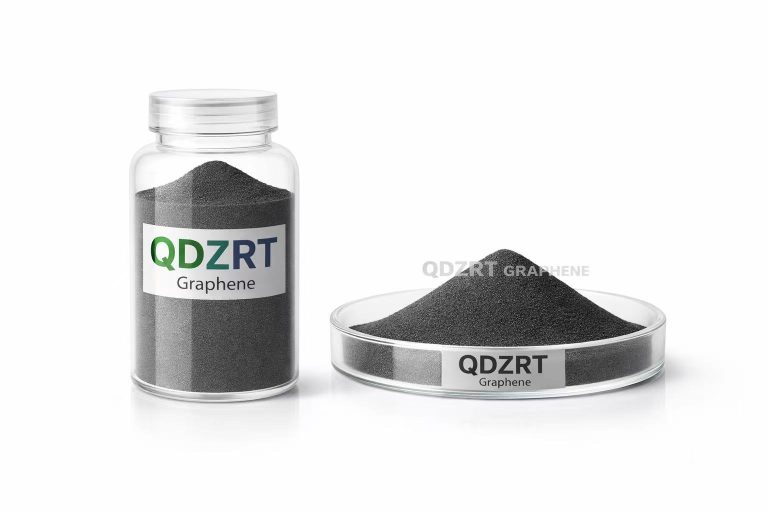
Graphene has become an important material in conductive and electronic applications because of its excellent electrical conductivity, thin layered structure, mechanical flexibility, and multifunctional performance. As the electronics industry continues to demand lighter, smaller, and more efficient components, graphene provides a valuable material platform for next-generation conductive solutions.
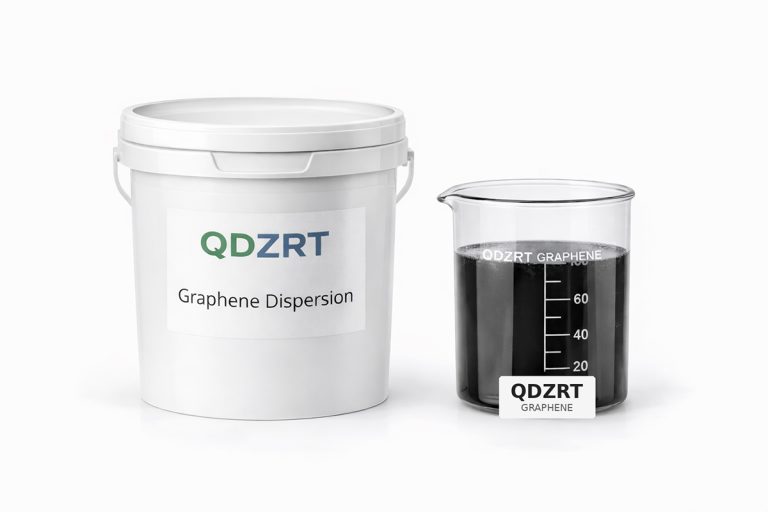
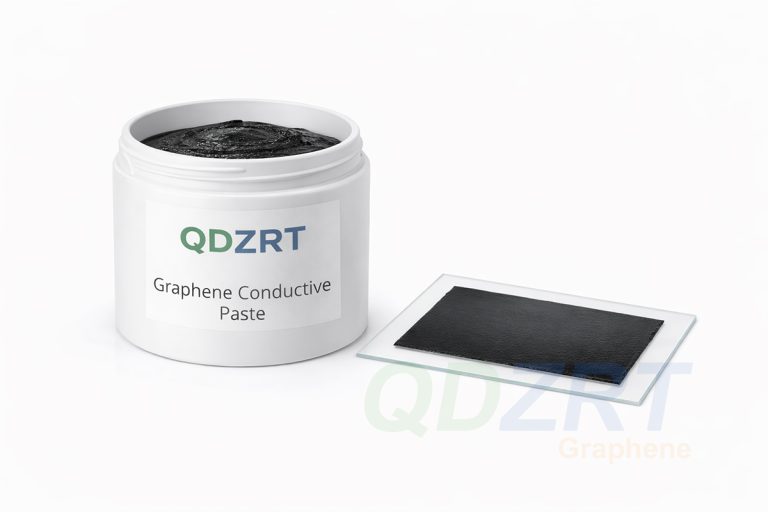
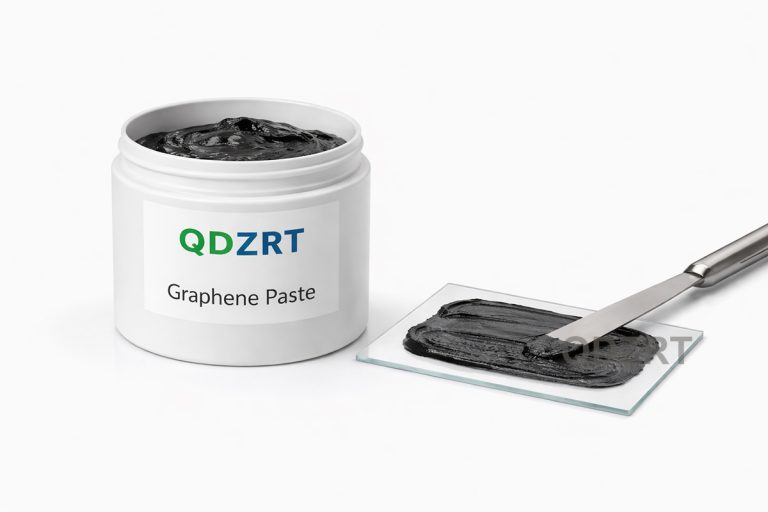
One of the most common ways graphene is used in this field is as a conductive additive in pastes, inks, coatings, and polymer composites. By forming conductive pathways within a system, graphene helps reduce resistance, improve current transmission, and enhance the overall electrical performance of the final product. This makes it highly suitable for conductive coatings, conductive plastics, and printed electronics.
Graphene also plays an important role in flexible electronics. Compared with conventional conductive materials, graphene offers the advantage of maintaining electrical performance while supporting lightweight and bendable structures. This makes it useful for flexible circuits, wearable devices, smart sensors, and emerging display technologies.
Another key application area is electromagnetic interference shielding. In modern electronic systems, sensitive components often require protection against external electromagnetic noise. Graphene-based conductive materials can be used in shielding coatings and functional composites to support more stable electronic performance in communication equipment, industrial electronics, and consumer devices.
Main Application Areas
- Conductive pastes and inks
- Conductive coatings and plastics
- Flexible electronics and wearable devices
- Sensors and smart devices
- EMI shielding materials
Conclusion: Graphene conductive and electronic materials combine conductivity, flexibility, and multifunctional performance, making them highly suitable for coatings, sensors, flexible devices, and advanced electronic systems.
-768x511.jpg)