Batteries and Energy Storage
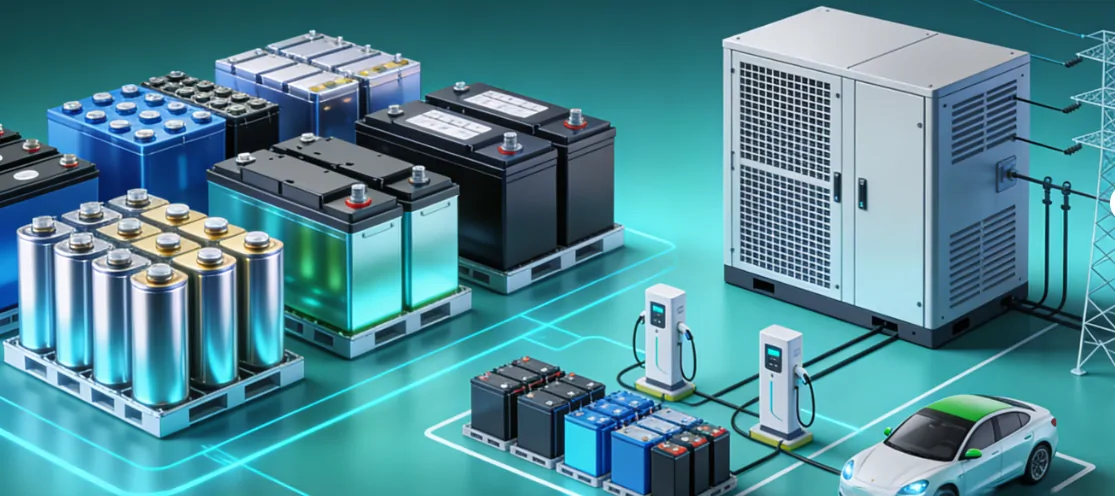
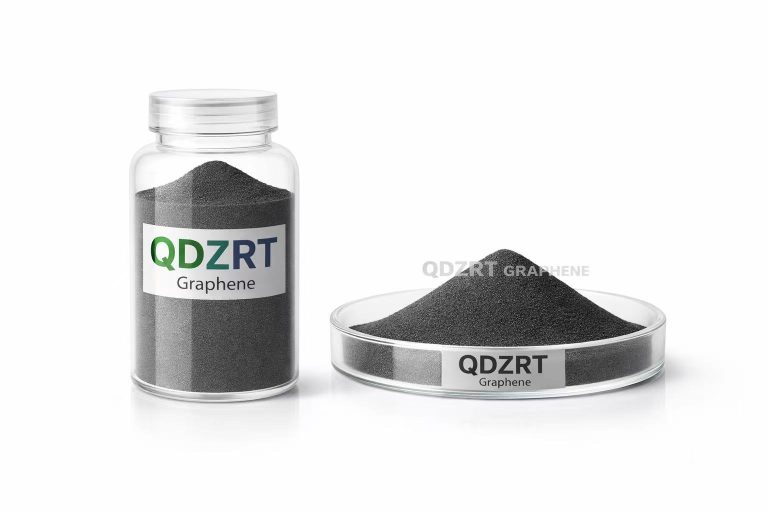
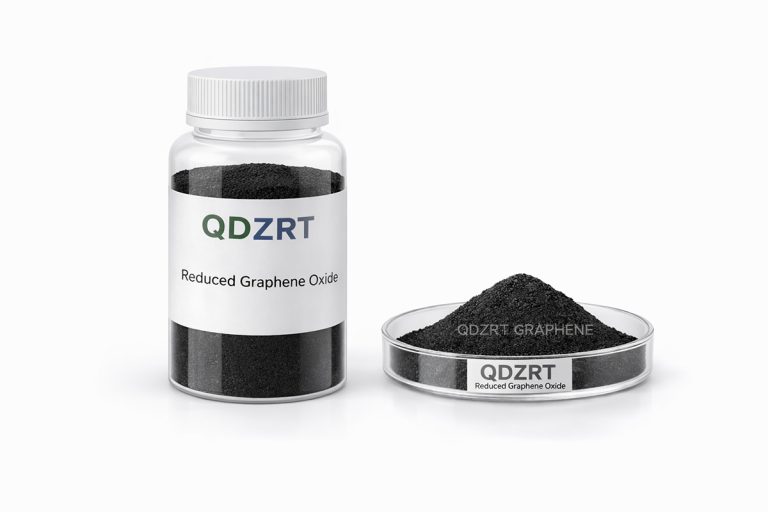
Graphene plays an increasingly important role in modern energy storage technologies, including lithium-ion batteries, sodium-ion batteries, lithium-sulfur batteries, and supercapacitors. Because of its excellent electrical conductivity, large specific surface area, and structural stability, graphene is widely used to improve electron transport and energy storage efficiency.
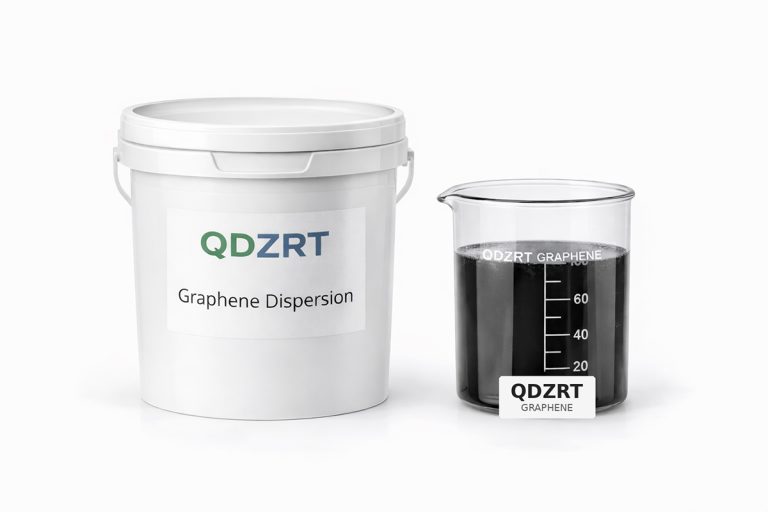
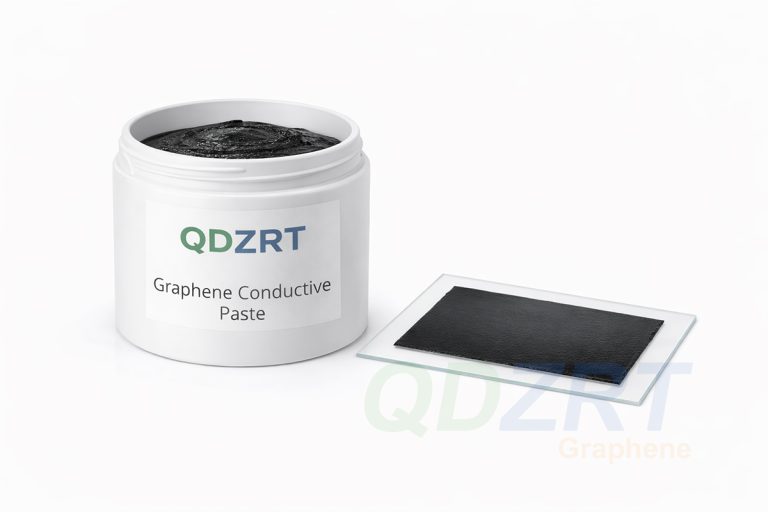
In battery systems, graphene is commonly used as a conductive additive or structural reinforcement component in electrode materials. It helps form more efficient conductive networks, reduce internal resistance, improve rate capability, and support more stable charge and discharge performance. These characteristics are especially valuable in applications that require fast charging, long cycle life, and high reliability.
Graphene is also widely discussed in battery anode modification. When introduced into anode materials, graphene can improve electrical conductivity, buffer structural changes during cycling, and help maintain electrode integrity. This makes it useful for next-generation battery systems that aim to achieve better energy density and longer service life.
In supercapacitors, graphene offers rapid charge storage and release because of its high surface area and conductivity. This makes it suitable for high-power applications such as renewable energy systems, electric mobility, and backup power solutions. As global demand for efficient energy storage continues to grow, graphene is expected to remain a key material for advanced battery and capacitor technologies.
Main Application Areas
- Lithium-ion battery materials
- Battery anode modification
- Supercapacitors
- Sodium-ion battery systems
- Energy storage devices
Conclusion: Graphene helps improve conductivity, rate performance, cycle life, and thermal stability in batteries and energy storage systems, making it an important material for next-generation energy technologies.
-768x511.jpg)